B2B BUYER'S GUIDE
Why Source from Fairever
A buyer's guide to responsible gold and silver sourcing — and why jewelry brands, manufacturers, and processors choose Fairever: Germany's first Fairtrade-certified precious metals supplier, sourcing gold and silver that's audited, segregated, and traceable to a named mine.

100 Million
people depend on small-scale gold mining,
directly or indirectly
(UNEP / planetGOLD / World Gold Council / Pact)
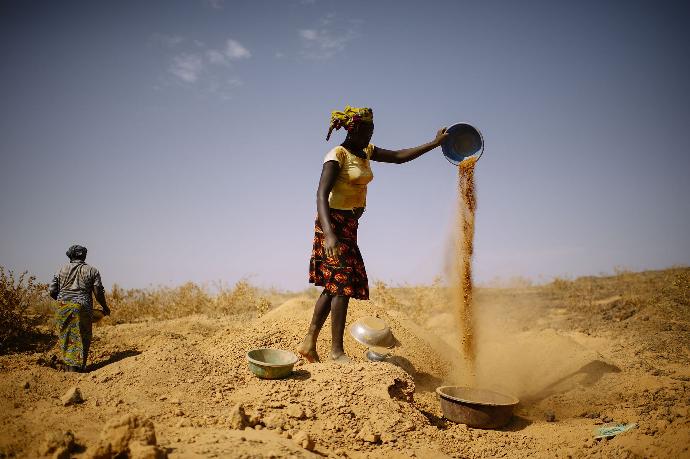
More than 100 million people depend on small-scale gold mining for their livelihood. That's more than the population of Germany!
Yet most of them work in an informal, unregulated sector: no guarantee of fair pay, no guarantee of safe working conditions, a real risk of child labor, and no protection for the environment they depend on.
Small-scale mining is one of the most important economic factors in regions with few alternative sources of income. But without organizational structures, independent oversight, and buyers willing to pay for proof, workers in small-scale mining are exploited and underpaid in many places — and most buyers have no way to tell responsibly sourced gold apart from gold that funds that exploitation.
That's the gap Fairever exists to close. As an ethical gold supplier, we supply gold and silver with documented origin — audited, segregated, and priced to fund real change at the mine — so you don't have to take an industry's word for it. Below is why that distinction matters, and which of our sourcing options fits your brand's standards, volumes, and budget.
Prefer to skip ahead?
Talk to a Fairever sourcing expert → or create your Fairever account →
Child Labor is a Real Problem
An estimated 1 million children work in small-scale mining and quarrying worldwide — the reference figure from the International Labour Organization, dating to 2005 and still the most-cited global estimate in the absence of a more recent count. Independent investigations since then have documented hazardous child labor in gold mining specifically across more than a dozen countries, from Ghana and Mali to the Philippines and Tanzania.
The underlying cause isn't a mystery: pay for artisanal gold mining is often too low to feed a family or cover school costs, which pushes households toward child labor as an economic necessity rather than a choice.

Why this matters for sourcing:
Fairtrade and Fairmined certification require audited compliance with ILO Conventions 138 and 182 on child labor and its worst forms — verified independently, on a fixed schedule, not a one-time supplier questionnaire.
When you buy Fairtrade Gold, Fairmined Gold, or Fairmined Ecological Gold through Fairever, that audit trail is what backs the claim — verified by an independent certification body, not just claimed by us.
1 Million
children work in small-scale mining and quarrying worldwide
(ILO, 2005 estimate)
Read the ILO's full report on child labor in mining →
Not Knowing Is Not Neutral
Between 15 and 20 million people work directly in small-scale gold mining, and over 100 million more depend on it indirectly. Small-scale mining accounts for roughly 9 in 10 people employed in gold mining worldwide.
Small-scale mining has real, well-documented problems: child labor, exploited workers, unsafe conditions, and environmental destruction like illegal mining in the Amazon rainforest.
Buying gold without knowing its source doesn't avoid these problems — it just makes it impossible to rule them out. Any unverified gram could come from a mine doing real harm, and there's no way to tell, which means buying it indirectly supports that harm too. Sourcing from small-scale mining that's independently audited and traceable to a named mine is how you actually support the mines getting it right, instead of gold from anywhere, including the mines that aren't.
Why this matters for sourcing:
This is why Fairtrade Gold, Fairmined Gold, and Fairmined Ecological Gold — Fairever's core impact line — are built around small-scale mining that's independently audited and traceable to a named mine, not simply taken on trust.
Every gram carries a guaranteed minimum price of at least 95% of the LBMA gold fixing (Fairever pays 96–99% in practice) plus a premium the mining community itself decides how to spend: $2,000/kg for Fairtrade, $4,000/kg for Fairmined, $6,000/kg for Fairmined Ecological.
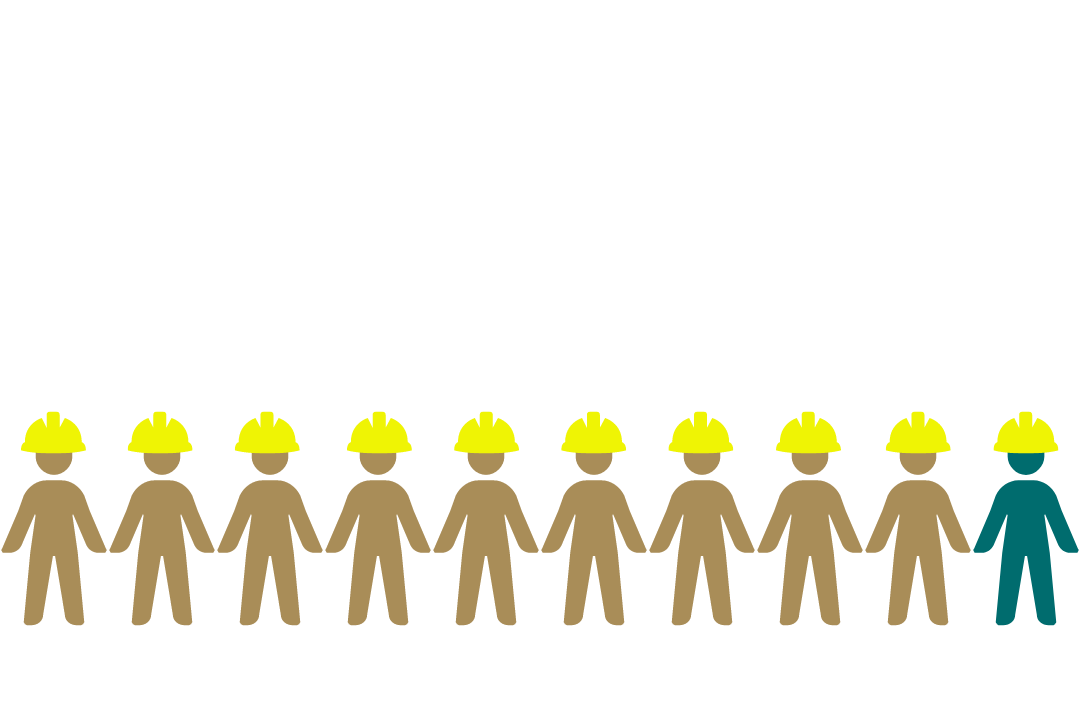
90 %
of the global gold mining workforce works in the small-scale sector
(IGF/IISD, 2018)
See ARM's & Fairtrade's annual reports on their impact →
Recycled Gold Is No Alternative on Its Own
Recycled gold is a useful supplement to the world's gold supply — but it isn't a substitute for responsible mining. Recycling currently covers roughly 28% of global gold demand, with mined gold still supplying the remaining 72%. Demand keeps growing faster than the recycled supply can follow, which means mining remains the primary source of gold — and the only source of income for the tens of millions of people described above.
Two myths make this easy to miss:
- "Recycling reduces mining" — it doesn't: gold has always been almost fully recycled, and mining still supplies about three-quarters of demand regardless.
- "Recycled gold has barely any carbon footprint" — the low figures usually quoted come from an accounting method that simply zeroes mining's emissions off the books, not from an actual reduction.
We offer it anyway, because reusing gold already in circulation is simply pragmatic — nobody throws this metal away. That's also why we think of it as reprocessing rather than recycling. But "recycled" doesn't always mean genuinely old: some industry definitions include material that never reached an end user and could in fact be freshly mined gold from an unknown source. That's why we only ever offer post-consumer recycled gold — material from products that completed a full life cycle, like old jewelry or dental gold — never pre-consumer scrap.
Why this matters for sourcing:
Fairever does offer post-consumer recycled gold and AgAIN Silver for buyers who specifically want recycled material — but we're upfront that these lines carry no mine-level traceability and no funded impact.
If supporting mining communities is part of why you're sourcing responsibly, Fairtrade, Fairmined, or Single Mine Origin gold are what deliver that; recycled material is the pragmatic option, not the impact one.
Want both? Add Fairmined Credits to a recycled-gold order: a separate, verified premium paid directly to certified small-scale mining organizations — real impact, kept honestly separate from the metal itself.

28 %
of global gold demand is currently met by recycled gold
(World Gold Council, Gold Demand Trends, FY2025)
Learn why recycled gold alone isn't a solution →
People and Nature Are at Risk
Small-scale miners routinely work without protective equipment, handling chemicals like mercury and cyanide with little training in how to contain them. Artisanal gold mining is the world's largest source of mercury pollution, releasing an estimated 1,400 tons of mercury into the environment every year. The toxic substances don't only endanger the workers who handle them: improperly disposed chemicals contaminate the waterways nearby communities depend on for drinking water and fish.
Why this matters for sourcing:
Fairmined Ecological Gold eliminates mercury and cyanide entirely — gold is separated using gravity and water alone, and the land is restored afterward.
Regular Fairmined and Fairtrade Gold don't eliminate these chemicals outright, but they cap and control their use, with mercury phased out under Fairmined on a fixed, audited timeline rather than left to each mine's discretion.
Single Mine Origin gold, for the large-scale mines in our portfolio, is checked against externally audited standards — RGMP, IRMA, or ICMM — with results published annually, not just claimed.
1400 tons
of mercury released into the environment annually by small-scale gold mining
(UN Environment Programme, via Human Rights Watch)
Learn more about the environmental toll of unregulated mining →
Fair Gold Is Trustworthy
→ Because It's Checked, Not Just Claimed
Buying certified gold from responsible small-scale mining ensures people work under dignified and safer conditions, while protecting the environment and addressing social inequality at its source. What makes this more than a claim is the mechanism behind it: the physical segregation and chain-of-custody documentation that Fairmined and Fairtrade require, combined with regular audits by independent certification bodies, are what prevent gold from conflict regions or illegal mines from being falsely declared Fairmined or Fairtrade.
Why source from Fairever specifically:
This is the difference between a supplier who can name a standard and one who can produce the paperwork behind it.
Every certified product we sell is physically segregated and traceable to a named mine, verified by an independent body — FLOCERT for Fairtrade, SCS Global Services for Fairmined — not self-declared.
For large-scale gold, Single Mine Origin adds an externally audited chain of custody back to a named mine.
And where a fully documented origin isn't the right fit for a specific order, we say so plainly rather than dressing up recycled material as something it isn't.

100 %
of Fairtrade, Fairmined, and Single Mine Origin gold is physically segregated and traceable to a named mine
See all of Fairever's certifications and sourcing models →
Frequently Asked Questions
In practice, it comes down to four things: audited compliance with a recognized standard (Fairtrade, Fairmined), physical segregation of the certified metal from other stock, a named mine of origin, and a premium that funds documented improvements at that mine — verified by an independent body, not self-declared by the supplier.
Newly mined gold traced back to one named, large-scale mine and checked against an externally audited responsible-mining standard (RGMP, IRMA, or ICMM), sold close to the LBMA spot price rather than with additional premium. It's Fairever's traceable option for buyers who need volume and price closer to market rate.
More info about SMO gold →
No. Fairever's post-consumer recycled gold and AgAIN Silver are documented back to the point of collection and refining, not to a mine of origin — a pragmatic, lower-cost option, but not equivalent to certified small-scale or Single Mine Origin gold on mine-level traceability or funded impact.
More info about Recycled Gold →
Most buyers start with a trial order at their existing volume and specification, so quality and workflow can be checked before committing further. Talk to a Fairever gold sourcing expert → about a starter order.
In der Praxis kommt es auf vier Dinge an: auditierte Einhaltung eines anerkannten Standards (Fairtrade, Fairmined), physische Segregation des zertifizierten Metalls von anderer Ware, eine benannte Ursprungsmine und eine Prämie, die dokumentierte Verbesserungen an dieser Mine finanziert – geprüft von einer unabhängigen Stelle, nicht vom Lieferanten selbst erklärt.
Neu abgebautes Gold, das bis zu einer benannten Großmine rückverfolgbar ist und gegen einen extern auditierten Standard für verantwortungsvollen Bergbau geprüft wird (RGMP, IRMA oder ICMM) – verkauft nahe am LBMA-Spotpreis statt mit Prämie. Es ist Fairevers rückverfolgbare Option für Käufer:innen, die Volumen und einen Preis nahe am Marktniveau brauchen.
Mehr Infos über SMO Gold →
Nein. Fairevers Post-Consumer Recycling-Gold und AgAIN Silber sind bis zum Sammel- und Raffinationspunkt dokumentiert, nicht bis zur Ursprungsmine – eine pragmatische, günstigere Option, aber bei Rückverfolgbarkeit bis zur Mine und finanziertem Impact nicht gleichwertig mit zertifiziertem Kleinbergbau-Gold oder Single Mine Origin Gold.
Mehr Infos zu Recycling-Gold →
Die meisten Käufer:innen starten mit einer Testbestellung im gewohnten Volumen und Spezifikation, um Qualität und Ablauf zu prüfen, bevor sie sich weiter binden.
Sprich mit unserem Team → über eine Testbestellung.
Ready to source responsibly?
Whether you need certified impact gold, near-spot traceable volume, or a pragmatic recycled option, we'll help you match the right sourcing model to your standards and budget.
Talk to a Fairever sourcing expert → or create your Fairever account →
NEWS & SOURCES
There is a lot of talk about the gold mining industry.
While we try to gather as much information as possible on our website, there is more out there. We collected some media reports about the current situation in the artisanal and small-scale mining sector for your research.
Die dunkle Seite des Goldes
«Détour doré» - Goldstudie 2020
Swissaid, 2020 - Photo © Flickr
Ghana: Kinderarbeit belastet Lieferketten im Goldhandel
Raffinerien riskieren, von gefährlicher Kinderarbeit im Kleingoldbergbau zu profitieren
Human Rights Watch, 2015
Weiterlesen 
Out of the shadows
Business relationships between industrial gold mines in Africa and refineries.
Research conducted by SWISSAID, March 2023
Read the full study by SWISSAID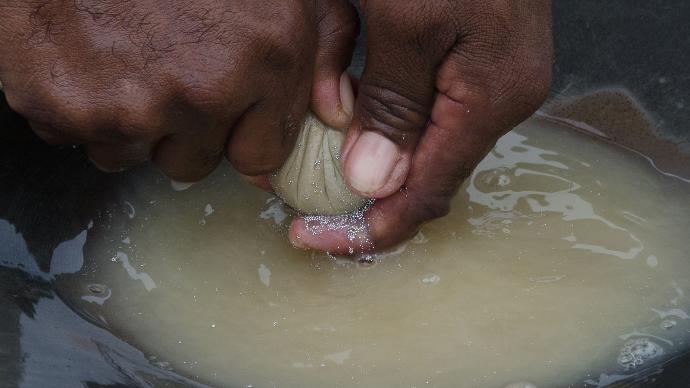
The Toxic Toll of Gold
Mercury exposure can be deadly. SO why are gold miners in Zimbabwe using the dangerous chemical - and risking their lives and the health of their communities in the process?
Read the full article by Global Press Journal
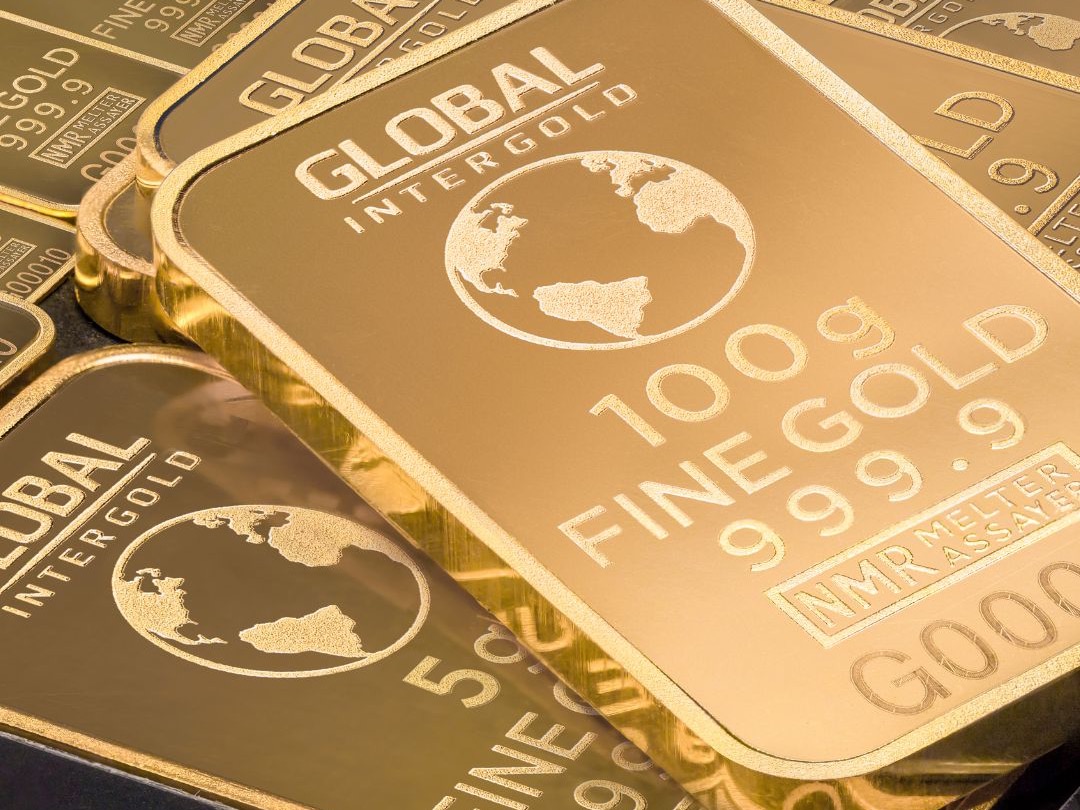
Golden Detour
The hidden face of the gold trade between the United Arab Emirates and Switzerland.
A SWISSAID study, 2020
Read the full study by SWISSAIDThe Hidden Cost of Jewelry
For millions of workers, gold and diamond mining is an important source of income. But the conditions under which gold and diamonds are mined can be brutal. Children have been injured and killed when working in small-scale gold or diamond mining pits.
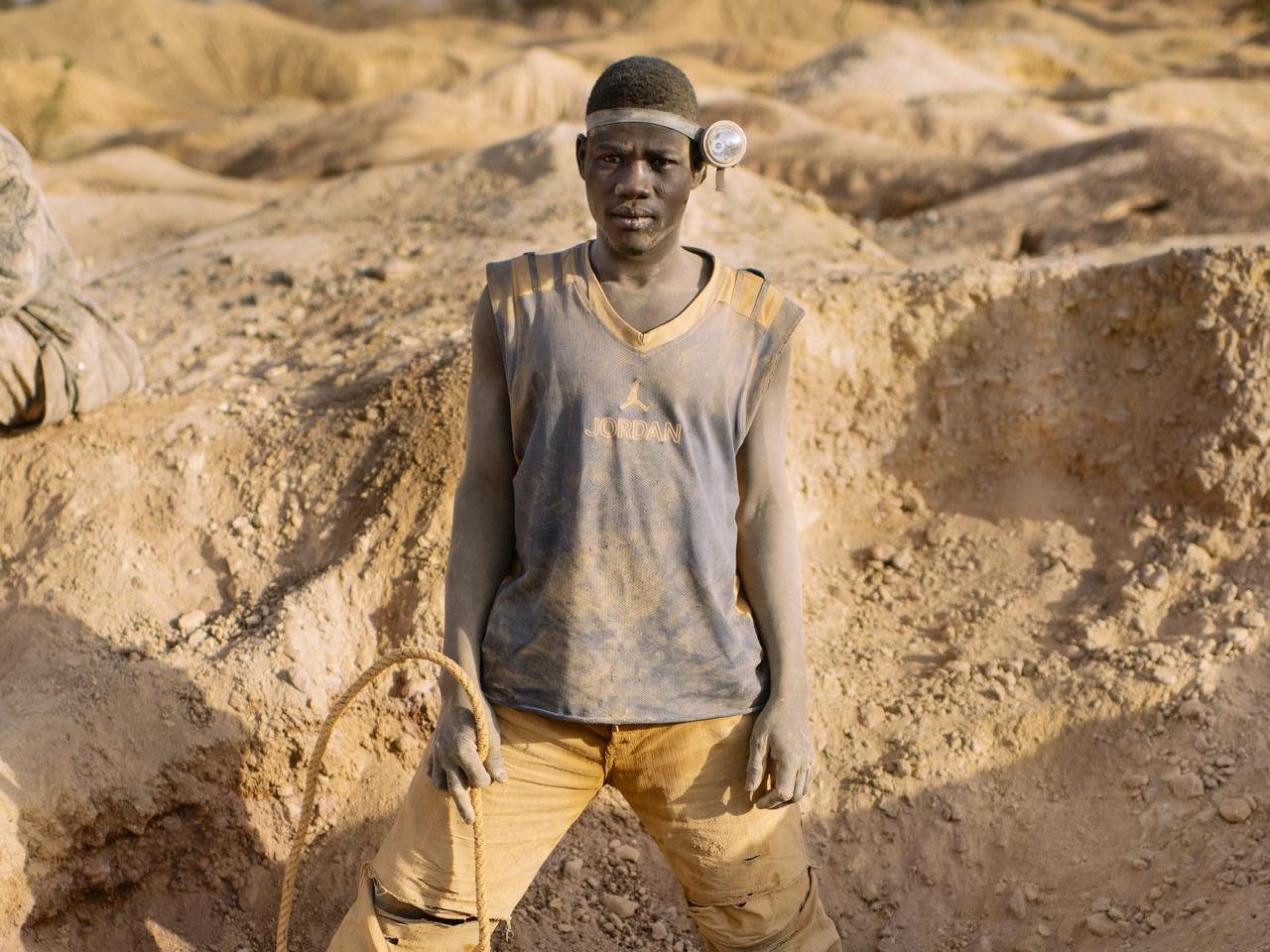
Child Labor in Mining and Global Supply Chains
More than one million children are engaged in child labour in
mines and quarries. This a serious violation of children’s rights that puts children’s health and safety at risk and deprives them of an education.